



Project presentation
In Toulouse, the number of migrant women engaged in prostitution has increased significantly. Coming mainly from Nigeria and Eastern Europe, these women often live in precarious and difficult conditions. Many of them seek support in reporting the violence they have experienced (in their home countries, during their migration journeys or in France) and in gaining recognition of their rights.
In response to this situation, Grisélidis has been providing tailored support since its creation in 2000, addressing the specific needs of these women through outreach activities, health prevention and access to rights.
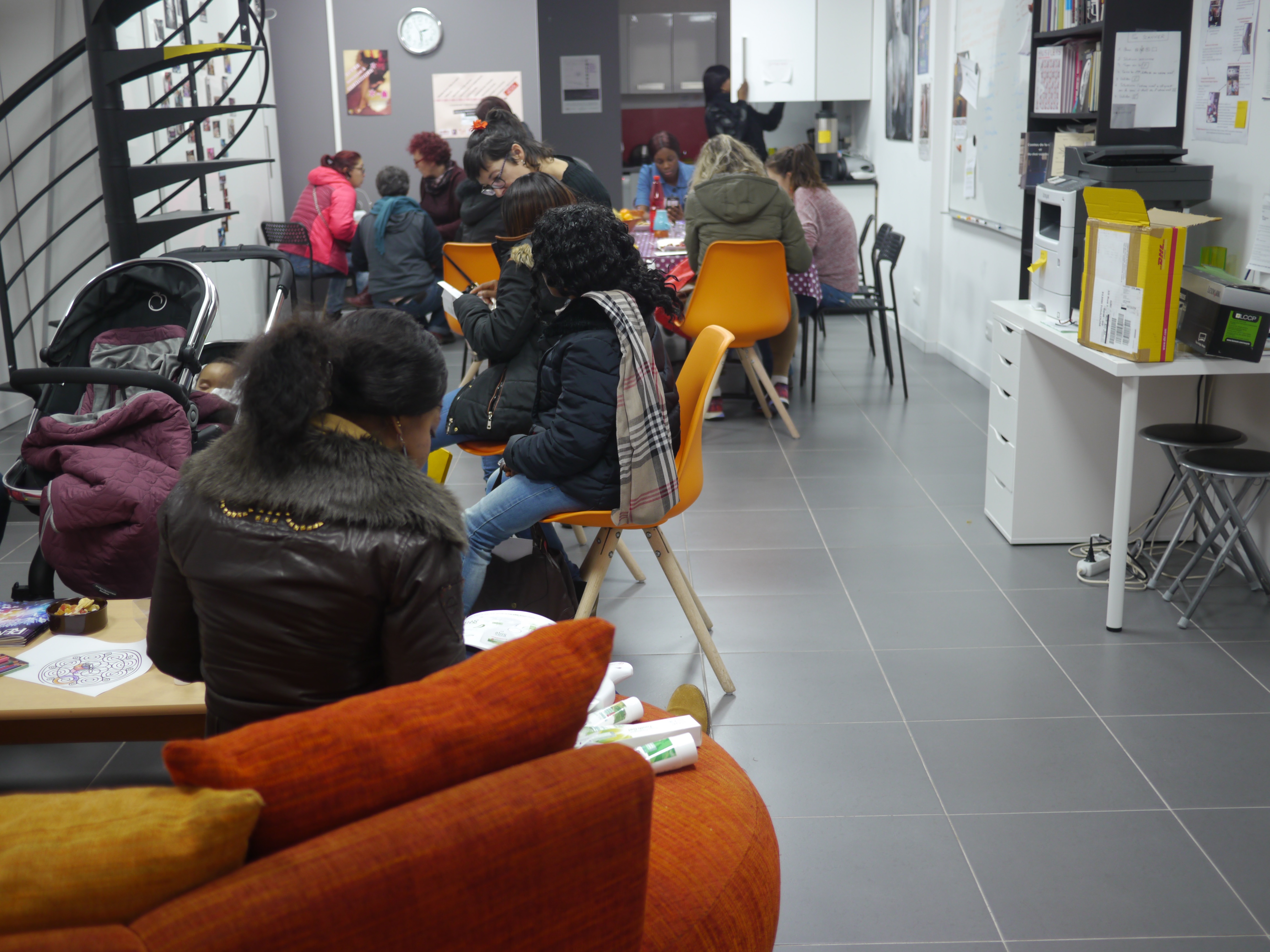
After obtaining official approval in 2017 to support women within the “exit from prostitution pathway” programme (introduced by the April 2016 law), the organisation strengthened its actions to promote their social and professional integration. Women receive individual support from a specialised social worker, assisted by Nigerian and Bulgarian cultural mediators, to help them with various steps: access to residence rights, overcoming barriers to integration (particularly housing and childcare issues), and access to training or employment (defining their professional goals, writing a CV, etc.).
In addition, they can benefit from French as a Foreign Language (FLE) courses and take part in workshops introducing them to digital tools.
The support provided helps women rebuild their self-confidence and strengthen their independence.