


Project presentation
Mozambique has low agricultural productivity due to severe droughts, which pose a constant threat to access to food, water and basic services. Nacala-a-Velha is a coastal district located in the north of the country, mainly populated by the Makhuwa farming community. Farmers produce food crops on a family and manual basis (cassava, beans, maize and peanuts), but face significant food insecurity challenges. Cassava, their main crop, is affected by disease, while small-scale livestock farming remains underdeveloped due to major health constraints.
Makhuwa women play a central role in the agricultural system, as they carry out most farming activities in addition to their domestic responsibilities. However, their position within society and their families remains vulnerable due to discrimination from men.
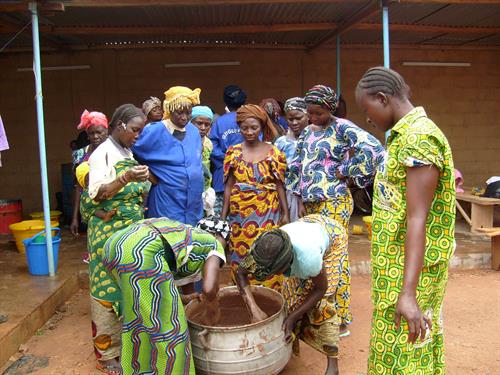
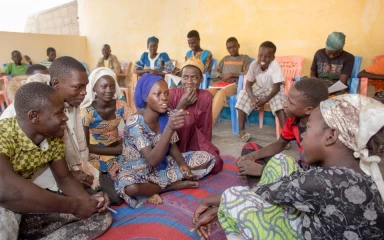
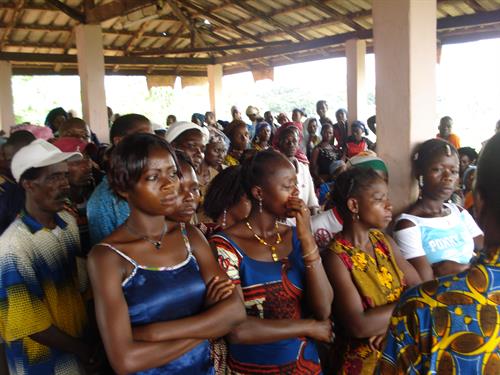
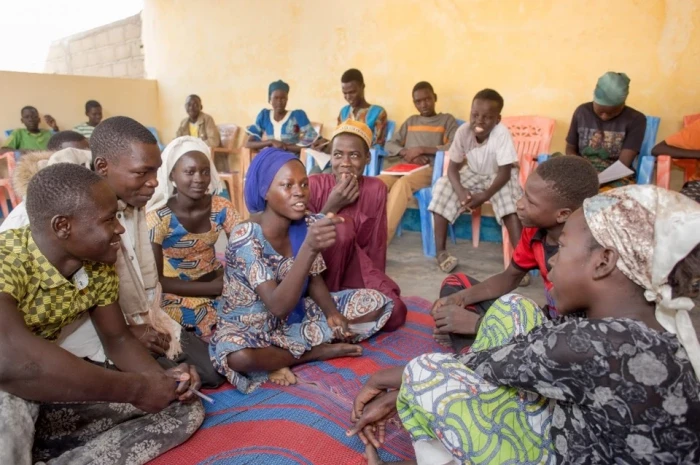
The project provides for the organisation of 85 participatory agricultural training sessions focused on improving existing production methods and introducing new crops, benefiting five groups of women.
The training programme combines theoretical lessons, experiments on dedicated plots to compare the advantages and disadvantages of new crops and techniques, as well as field visits to research centres and other development projects.
In parallel, beneficiaries have access to seed loans and support for purchasing agricultural tools, helping them diversify their production and increase resistance to crop diseases. The project also includes the restocking of poultry and goats through a revolving livestock loan system, combined with theoretical and practical training in poultry farming. In each group, one woman is trained as a livestock promoter responsible for vaccination, while local communities are made aware of the importance of animal health monitoring for poultry and goats.