



Project presentation
El Alto is the third-largest city in the country, with more than one million inhabitants. It is at the same time the youngest, poorest and most violent urban area in Bolivia. The city is marked by a patriarchal and sexist legacy, with a female population particularly affected by domestic violence, school dropout and low wages.
The young girls benefiting from the project come from families living in extreme poverty. Victims of physical, sexual and psychological violence, these adolescents lose their bearings and experience severe distress. Facing school failure and family breakdown, some have left their homes and ended up living on the streets, where theft, drugs, alcohol and prostitution become part of their daily lives.
The Bolivian organisation Enda El Alto, the local partner of Bolivienda, opened two therapeutic centres in 2008, providing support for 120 vulnerable girls and adolescents. The young women welcomed into these centres, aged between 14 and 19, have all taken a personal step towards positive social integration. The centres serve as spaces for healing, rebuilding and social reintegration.
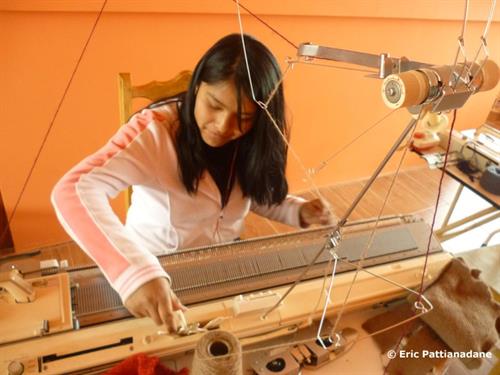
To support the professional integration of young women who have completed their therapeutic journey, two vocational training workshops in bakery and traditional Bolivian crafts were created, each able to welcome 10 participants. They learn to work as a team, take on responsibilities, follow professional standards and schedules, and manage the income they earn, with the goal of achieving future independence.
The project aims to strengthen the capacities of the two pre-professional training workshops. Work will be carried out on intervention methods, production strategies and marketing approaches, while the workshops will be equipped with machines and tools to increase their profitability.
In addition, the project includes the creation of an information centre dedicated to fostering exchanges between private companies and job seekers. This centre will serve not only the beneficiaries of the programme but also the wider local population.