



Project presentation
The municipality of Limoeiro de Ajuru has 20,000 inhabitants and is located in north-eastern Brazil, at the confluence of two branches of the Amazon River. The population is predominantly rural and derives most of its food and income resources from fishing, harvesting the fruit of the açaí palm (also known as “wasseï” in French Guiana), and cassava farming. Rural populations must undertake long and costly journeys to access the city, where healthcare services are concentrated. As a result, many illnesses remain untreated or are treated too late due to a lack of information and prevention, despite the region’s rich biodiversity and abundance of medicinal plants. Furthermore, many women are unaware of their rights as citizens, particularly those related to health and education.
The organisation ESSOR, in partnership with the Brazilian NGO APACC, is implementing a rural development project. The Foundation’s support focuses on training in preventive healthcare and citizenship, aiming to improve the health and nutritional conditions of small farming families in the municipality and enable women to understand and defend their rights.
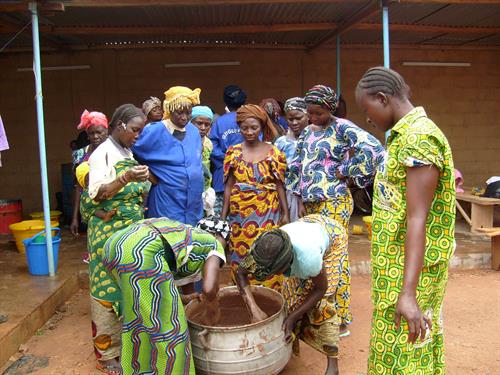
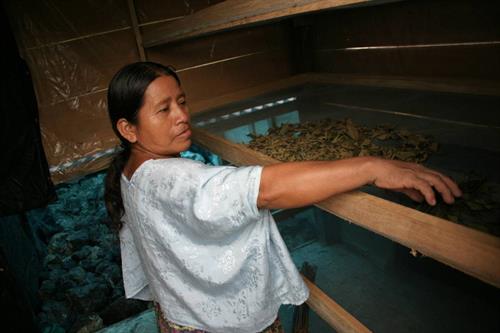
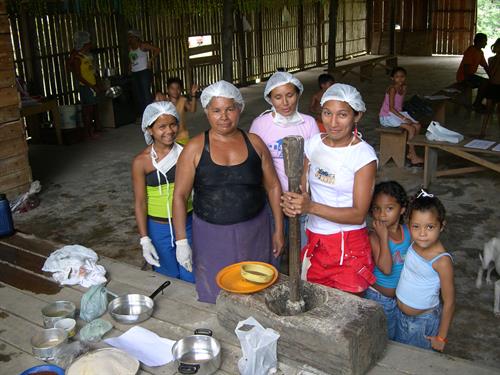
The initiative was implemented in two phases. First, training sessions held over 18 months were offered to 298 volunteers divided into 12 groups. Participants gained knowledge on improving nutrition, including water quality, preventing, detecting and treating illnesses (sexually transmitted infections, breast and cervical cancers, dehydration), as well as cultivating and using medicinal plants. They were also informed about citizens’ rights and responsibilities.
In the second phase, community facilitators were trained to share the knowledge acquired within their communities, reaching women as well as men and children. They received support and guidance in organising awareness-raising and information activities on health and citizenship, and are now autonomous in carrying out these actions. These facilitators also act as representatives of rural populations, bringing their voices and concerns to public health authorities.