


Project presentation
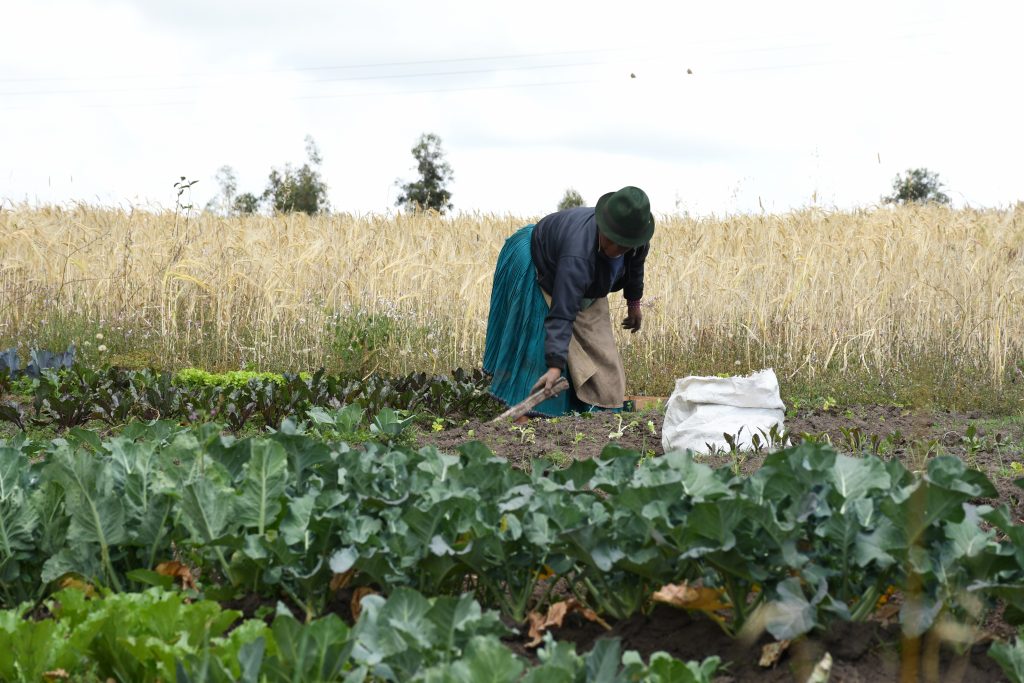
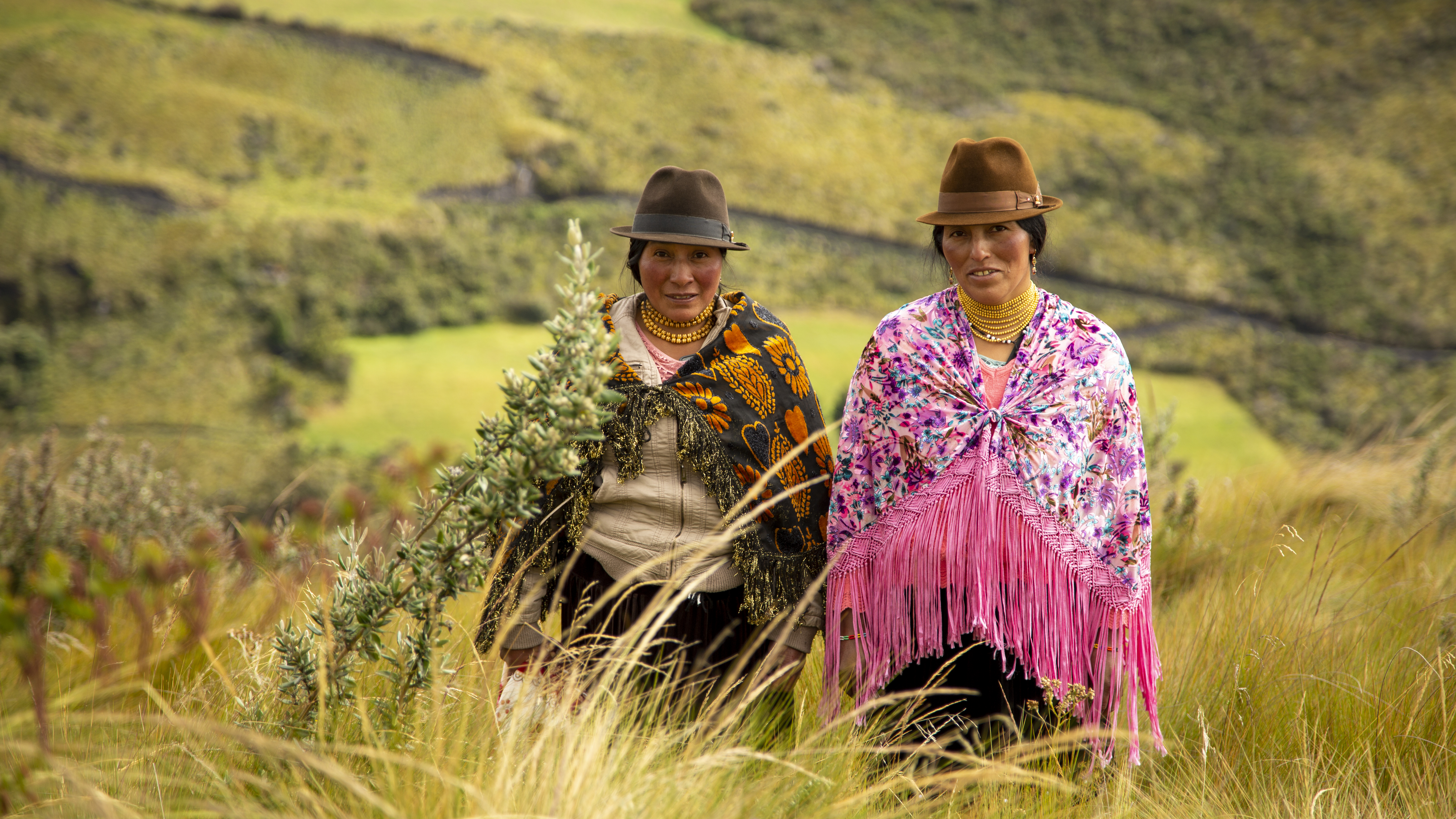
In 2008, Ecuador became the first country in the world to recognize the rights of nature in its constitution. This decision granted the highest level of legal protection in the Ecuadorian legal landscape. However, in practice, these rights are not respected. The Kichwa people denounce human activities that destroy their lands driven by extractive economic logics: deforestation, large-scale agriculture, mining, hydroelectric dams. This indigenous population lives at over 3,000 meters above sea level in the Sierra (Andes), at the heart of the páramos, an ecosystem with vital ecological functions. They are both a source of fresh water and a carbon sink.
To support the defense of páramos, the organization Agronomes et Vétérinaires Sans Frontières (AVSF) partnered with ECUARUNARI, the confederation of Kichwa peoples in Ecuador, to strengthen the skills of the indigenous movement in the Sierra in community-based páramo management. One axis of this collaboration focuses on strengthening the leadership skills of indigenous and peasant women to carry out political advocacy at the local and national levels. The Dolores Cacuango School, created in the 1990s and closed in 2010 due to lack of funding, will be rehabilitated to host a group of women starting in 2023. The school is named after an emblematic indigenous female leader recognized as a pioneer in the fight for indigenous rights in Ecuador.