



Project presentation
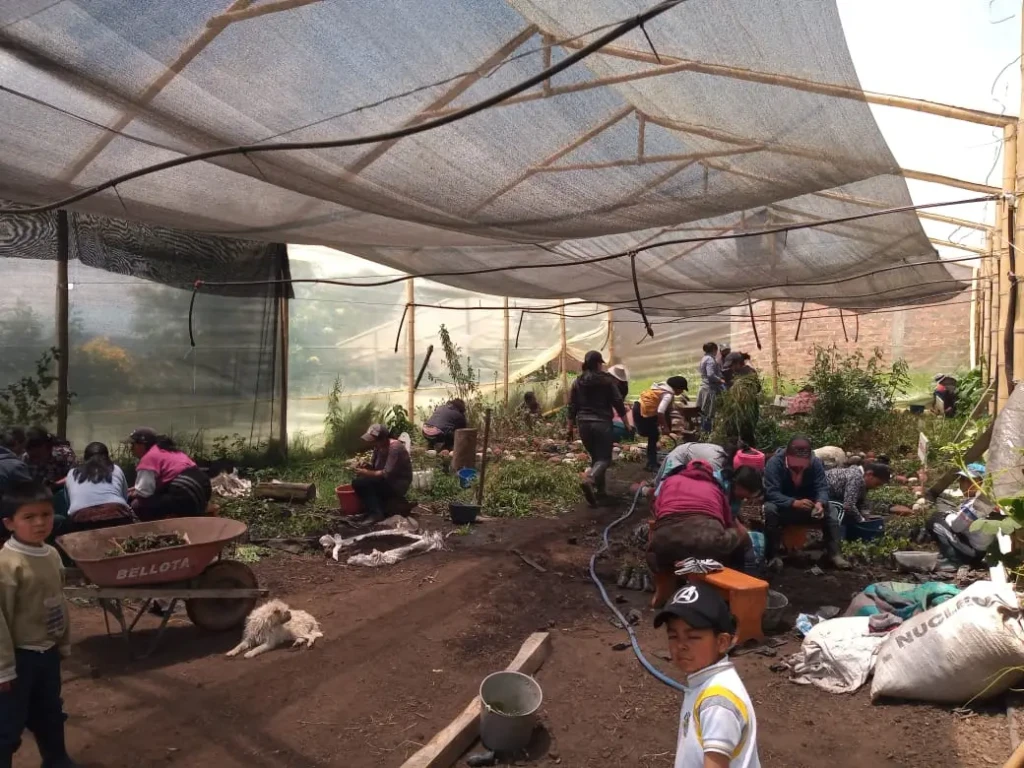
In the Colombian Andes, the páramos, located between 3,000 and 4,000 meters above sea level, are highly biodiverse ecosystems that provide 60 to 70% of Colombia’s drinking water. Threatened by climate change and the expansion of agricultural land, these ecosystems urgently need protection. Since 2020, the French association Humy and the Colombian foundation Impulso Verde Colombia (IVC) have been partnering with local indigenous communities to reforest the area and develop sustainable economic activities.
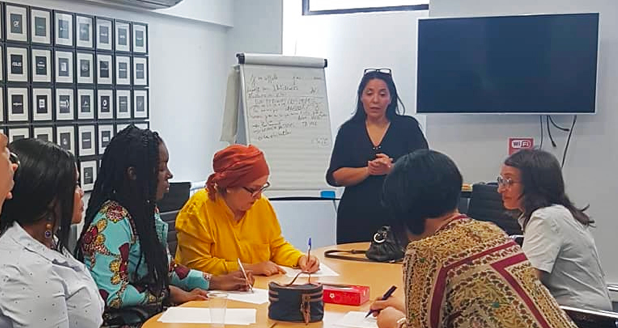
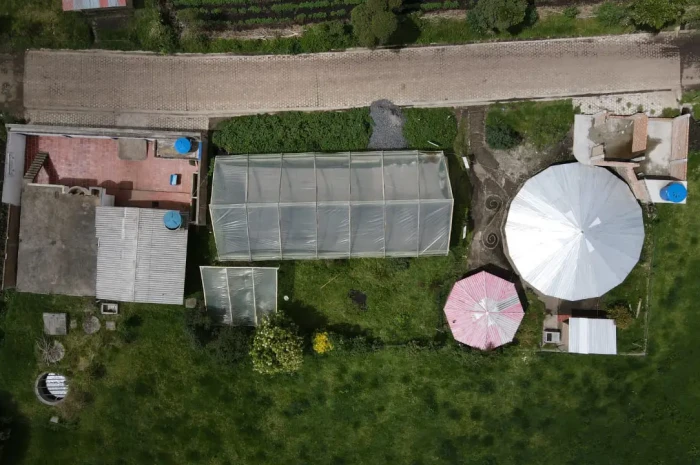
The three-year project focuses on two main actions. The first is the development of a cereal processing activity (wheat, barley, maize, quinoa) to generate income while creating a native seed bank to preserve dietary diversity and revive ancestral knowledge. The second action strengthens the management of a community nursery to plant 8,000 native trees annually. The women receive 1.5 years of training in agroecology, processing of raw materials, and product marketing. They apply their skills on pilot plots and in the processing unit. In parallel, Humy and IVC work with the communities to raise awareness of gender equality and the role of women in agriculture and environmental protection.