



Project presentation
In 2016, Colombia emerged from more than 50 years of armed conflict, which had generated millions of internally displaced people. Most fled rural areas to settle in large cities, where they continue to face major challenges in terms of social and economic integration. Today, nearly 42% of the population lives below the poverty line, with 15% experiencing extreme poverty. Following the health crisis, food prices have soared, significantly increasing the risk of food insecurity among vulnerable populations.
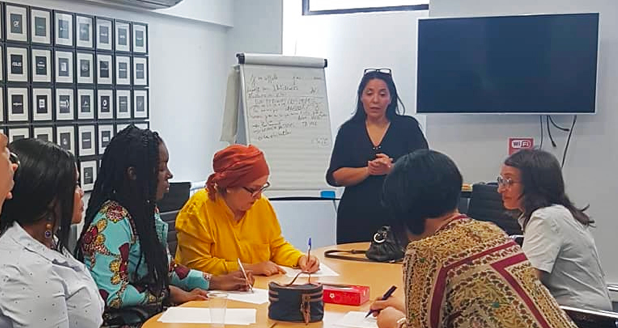
Women are the most affected by this growing precarity. Largely excluded from the labour market, they are predominantly confined to domestic work and remain financially dependent on their partners. Since 2018, Projeter Sans Frontières (PSF) has been working in the municipality of La Calera, a territory renowned for its biodiversity, to support the reintegration of vulnerable populations into the labour market. The organisation strengthens participants’ agroecological skills and supports the marketing of fruit and vegetable boxes.
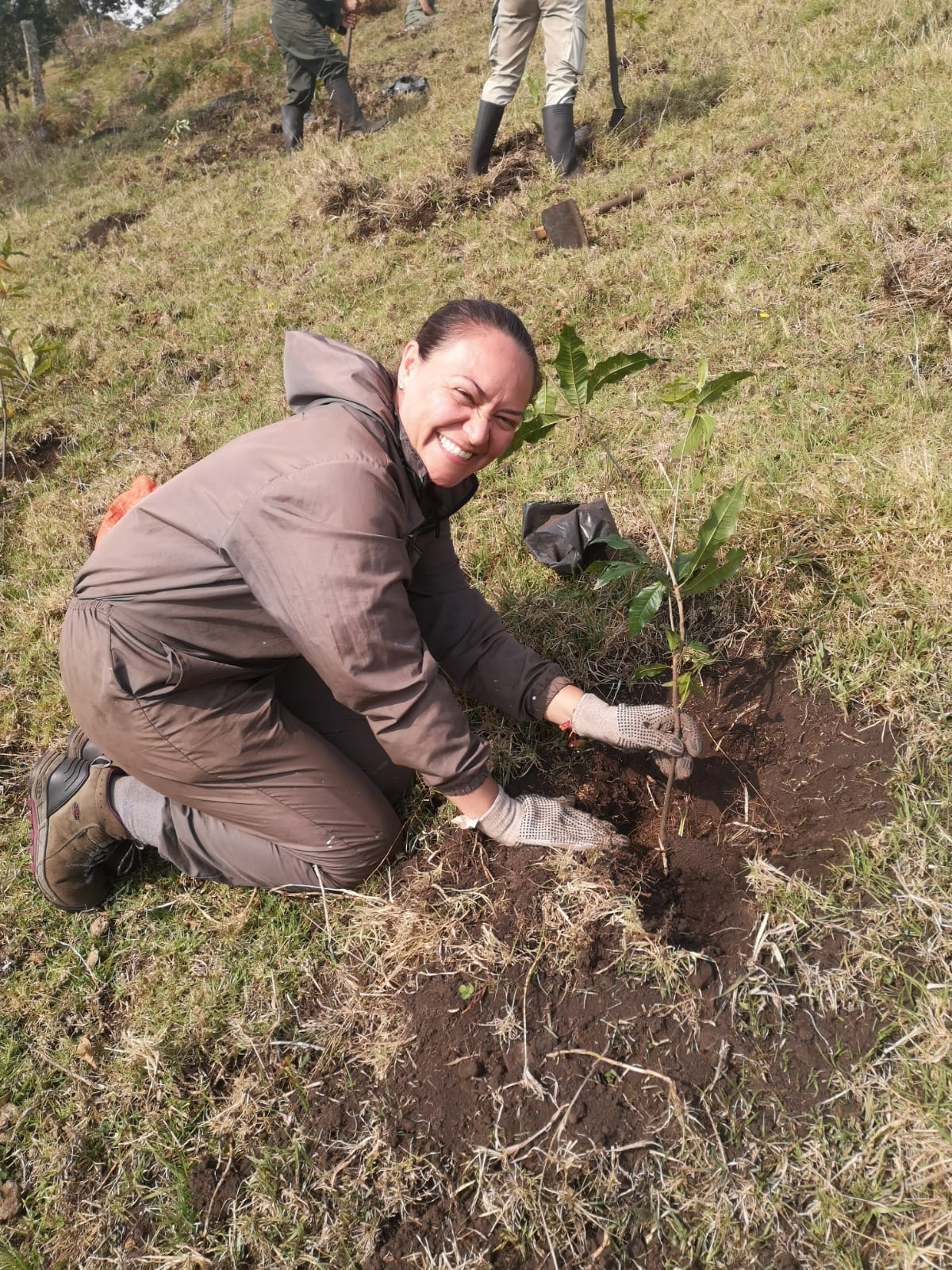
Building on the success of these initiatives, PSF now aims to take a further step by diversifying income-generating opportunities for women in La Calera through the development of agrotourism activities and the creation of “edible forests” intended both for household consumption and for the sale of forest-derived products.