


Project presentation
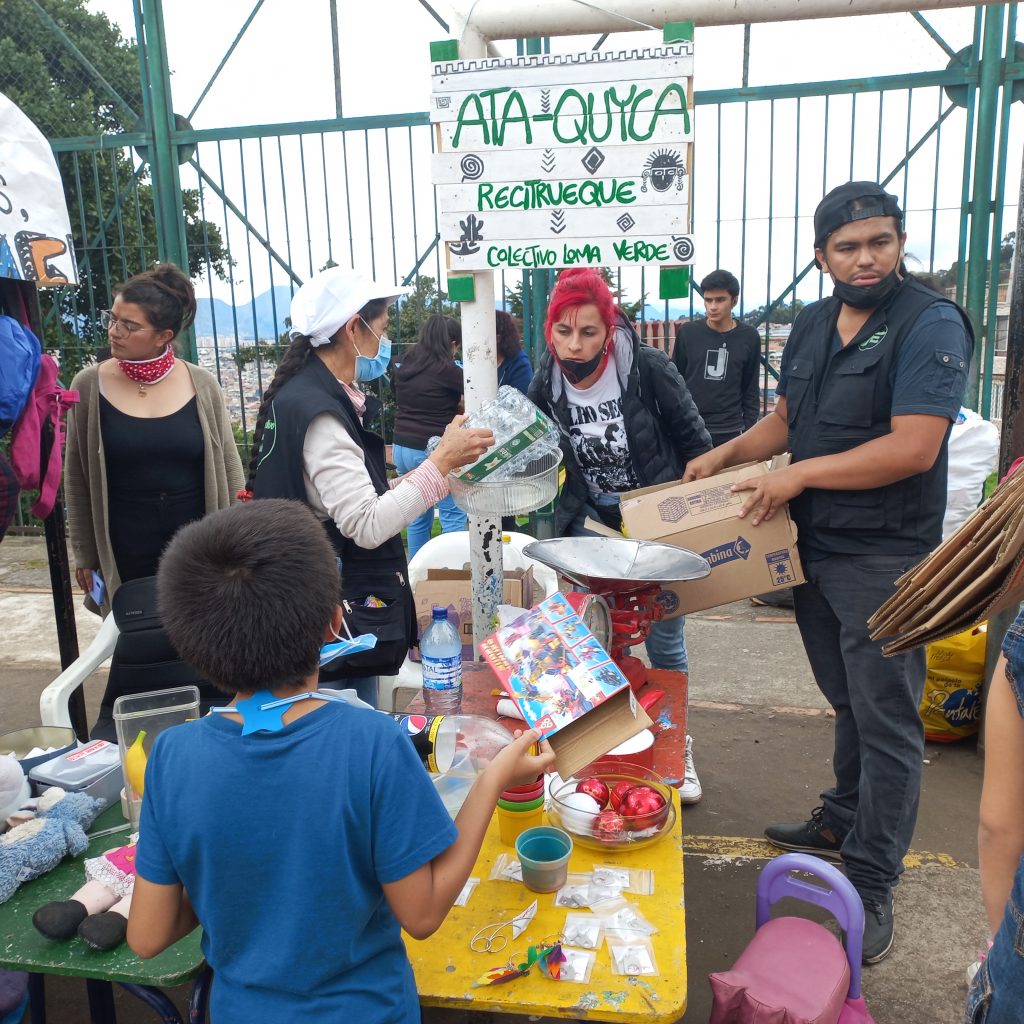
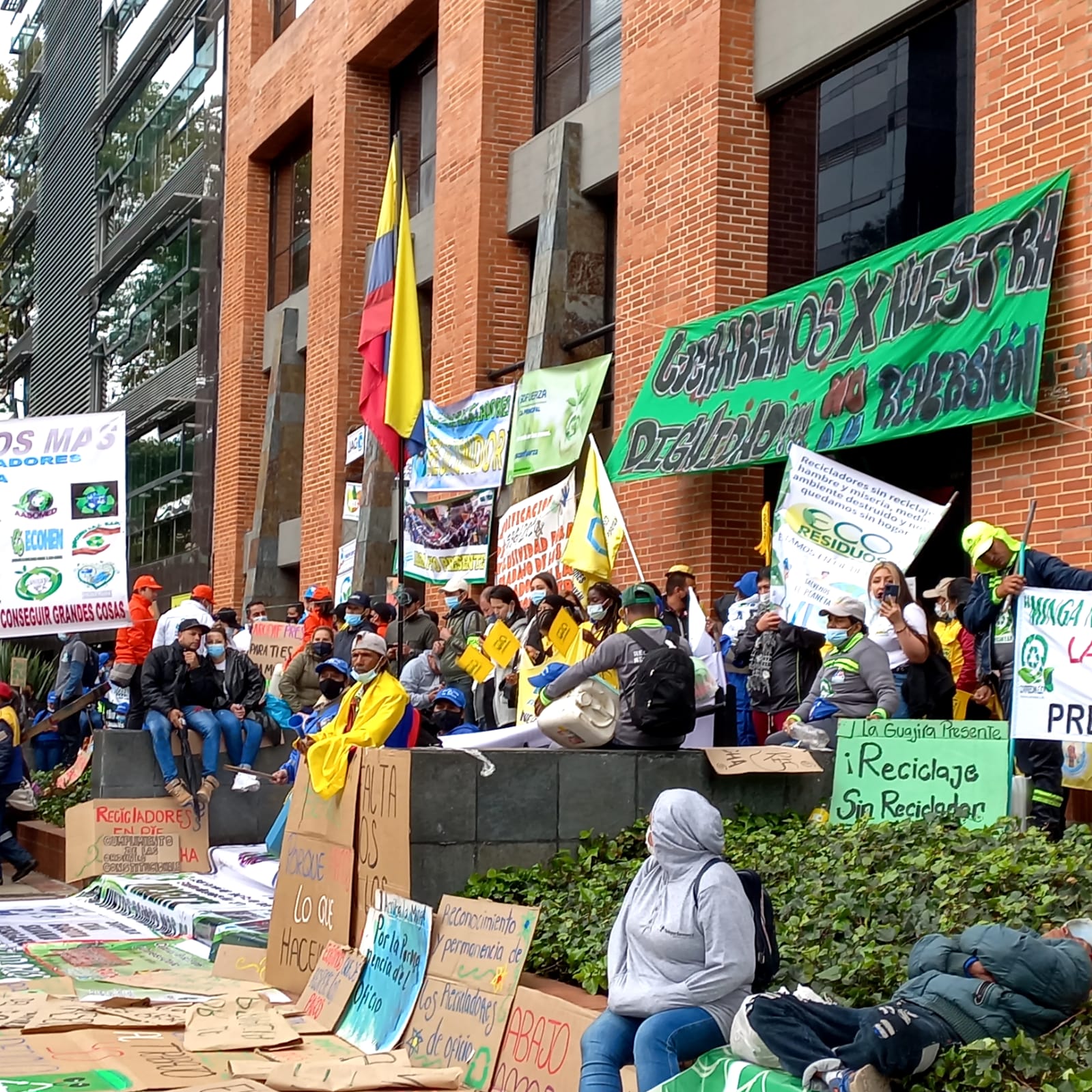
In Colombia, poor waste management is one of the main sources of greenhouse gas (GHG) emissions. Since 2016, Bogotá has implemented proactive policies to promote waste recycling as part of a national plan aiming to reduce GHG emissions by 20% by 2030. In Bogotá, most recyclable waste is collected and sorted by women, known as recycler women, who are organised in associations. They sell the recyclables to companies for reuse, avoiding landfill disposal and contributing directly to a circular economy. These women are paid by weight and have no formal employment contracts.
They lack social benefits and work under precarious conditions (using carts, without protective equipment). Since 2016, they can be recognised as environmental agents by the municipality, enabling them to join public services, increase income, and improve their living conditions. Associations must professionalise and register their collection routes in municipal software, a challenge for under-resourced groups.
WECF France supports the Colombian NGO ENDA in formalising recycler associations so they gain recognition and can negotiate better working conditions.