


Project presentation
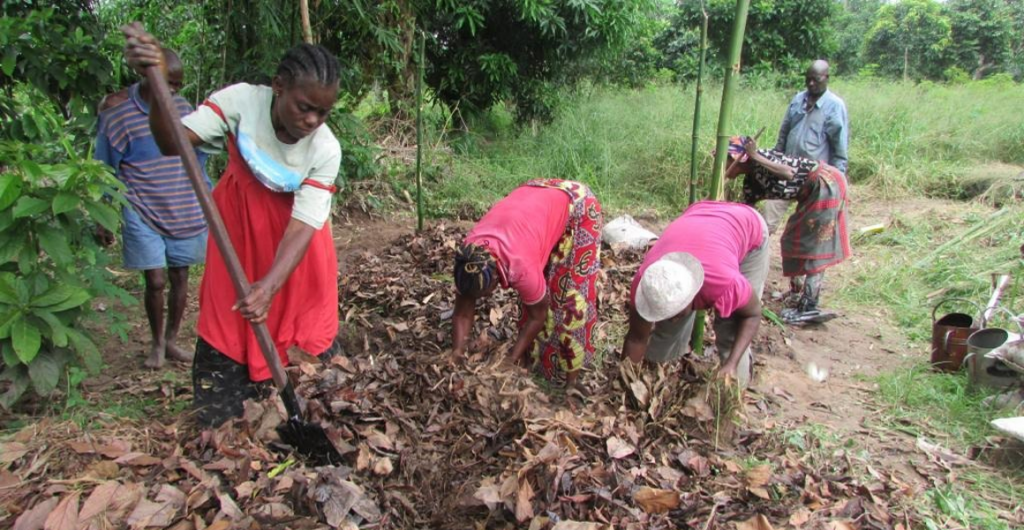
In the Democratic Republic of Congo (DRC), the city of Kinshasa (17 million inhabitants in 2021) faces a major challenge: feeding its population. The country’s poorly developed roads and transport systems make the movement of food products difficult, leading to the development of large peri-urban market gardening zones on the outskirts of Kinshasa.
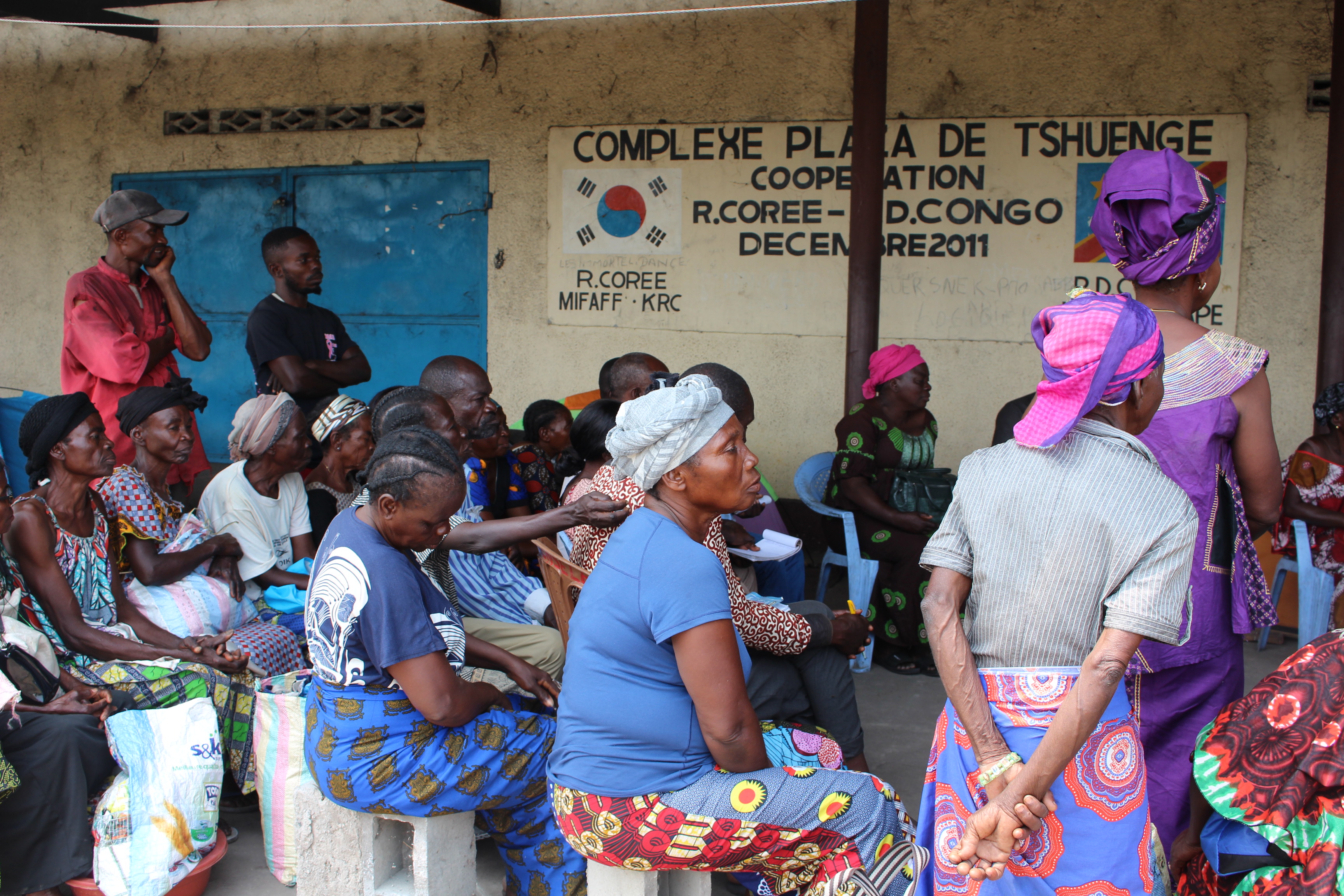
Women make up 70% of the workforce in these agricultural areas. The use of pesticides—sometimes expired—is almost systematic and poorly controlled. Market gardeners have very limited knowledge about the safe use of chemical inputs and their health consequences, though many report an increase in illnesses or skin rashes.
According to a 2021 study by Dr. Georgette Ngweme of the Kinshasa School of Public Health, only 4% of market gardeners seek care at a health center, mainly due to financial constraints that prevent them from paying for consultations and medication. Moreover, existing health centers near the market gardening areas often lack the resources and equipment to provide guidance and medical consultations.
In response, Médecins du Monde and Caritas Développement operate in three peri-urban market gardening sites around Kinshasa. They support market gardeners in working without chemical inputs, introducing biopesticides, and strengthening the capacities of local health centers in prevention and care for individuals exposed to harmful environments. Advocacy efforts also aim to make the Congolese legislative framework more protective while promoting changes in attitudes among market gardeners, consumers, and institutional actors regarding safe agricultural practices.