


Project presentation
The agricultural sector is a major component of Burkina Faso’s economy. It accounts for 35% of the country’s GDP and employs 82% of the active population. More than half of agricultural production depends on women, yet they own only 8% of the land. Climate change is negatively impacting the working conditions and production methods of farmers. The lack of adequate infrastructure to properly store harvests further aggravates these difficulties and increases the precariousness of people working in this sector. This is particularly true for the onion and shallot value chain, which is essential in the Sahel.
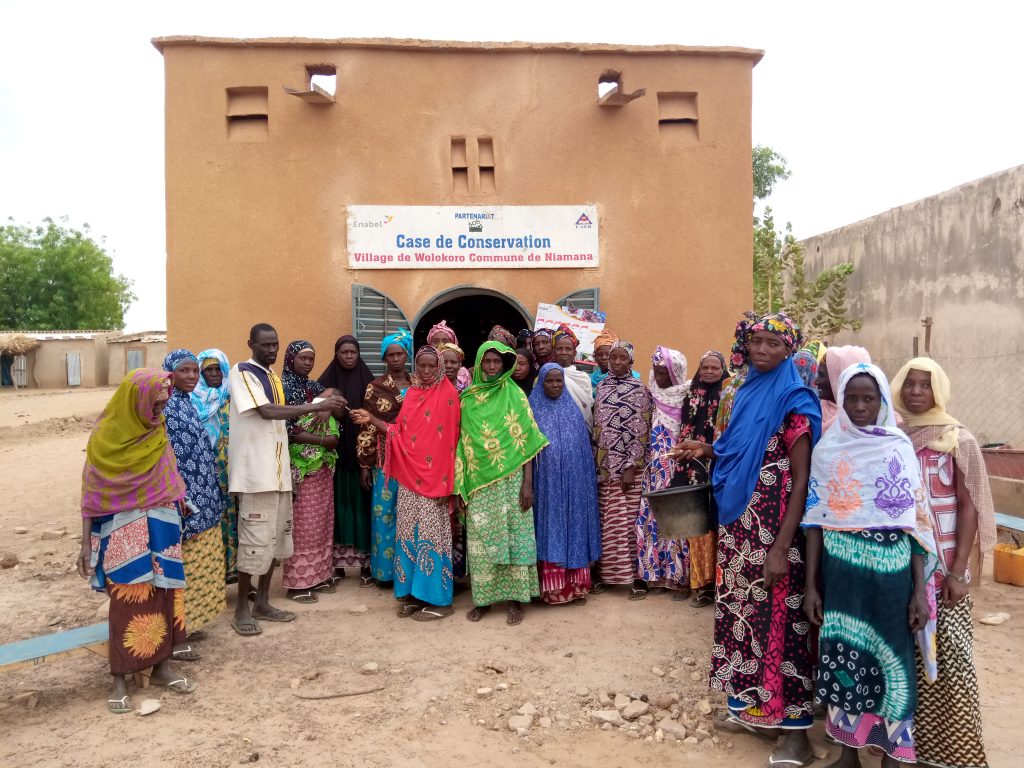
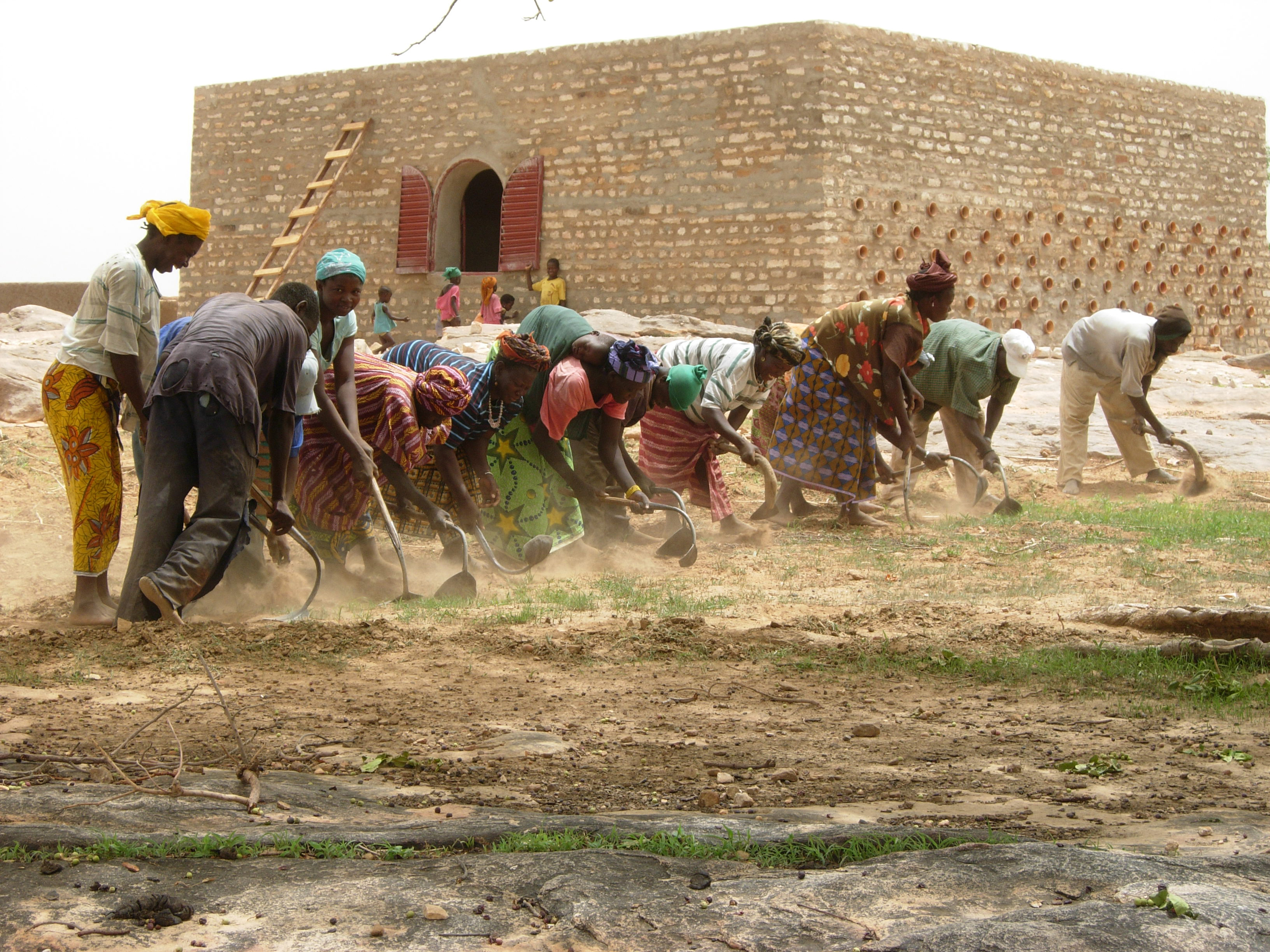
In response to this situation, the Nubian Vault Association (AVN), in partnership with the National Federation of Naam Groups (FNGN)—a federation of farmer groups—will support a group of women onion and shallot producers by building a Nubian Vault storage facility. This technique, which is more than 3,000 years old, allows buildings to be constructed entirely from raw earth, a material that is widely available locally and has no carbon impact. It replaces imported metal sheet roofs with vaulted roofs made of compressed earth bricks.
The thick raw earth walls significantly reduce temperature variations inside the building, allowing better preservation of harvests, greater user comfort, and improved working conditions. These buildings also offer better protection against harsh weather compared to sheet-metal roofs, which are often torn off by strong winds. Since the construction technique does not require wood, no trees are cut down, helping to preserve forest cover. The characteristics of the Nubian Vault technique make it a solution particularly well suited to the environmental and climate challenges of the region.
AVN and FNGN will also support women leaders from producer groups in developing and advocating for a national and international advocacy initiative to amplify the voices of Sahelian women on issues related to climate adaptation and the right to decent housing for all.