


Project presentation
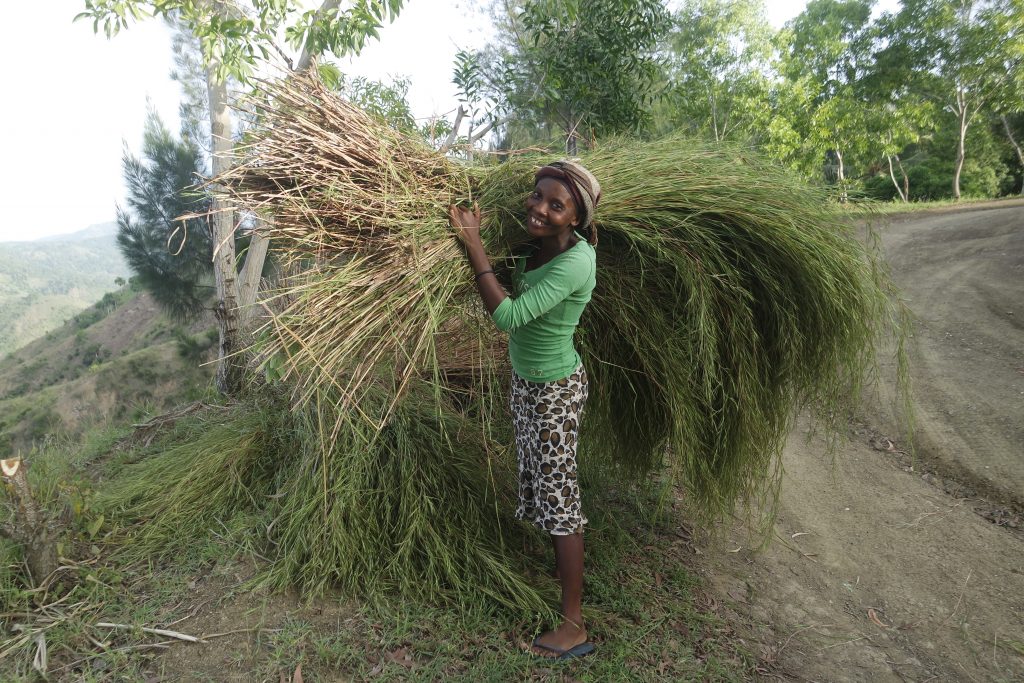
In the Jacmel Valley and Bainet, a mountainous and hard-to-reach region in south-eastern Haiti, local populations rely primarily on agriculture, livestock farming and handicrafts for their livelihoods. Due to drought, deforestation and recurring natural disasters, rural communities face significant challenges that affect both their harvests and living conditions.
To address these issues, Habitat-Cité and its partner OJUCAH have launched a project led by women from local communities to create edible forests, with the aim of combating deforestation and diversifying food crops. These edible forests help limit deforestation while strengthening food sovereignty for local populations.
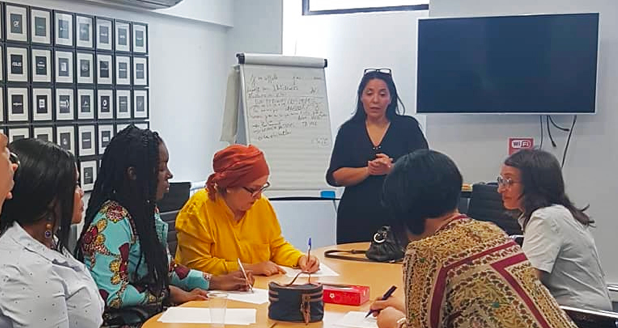
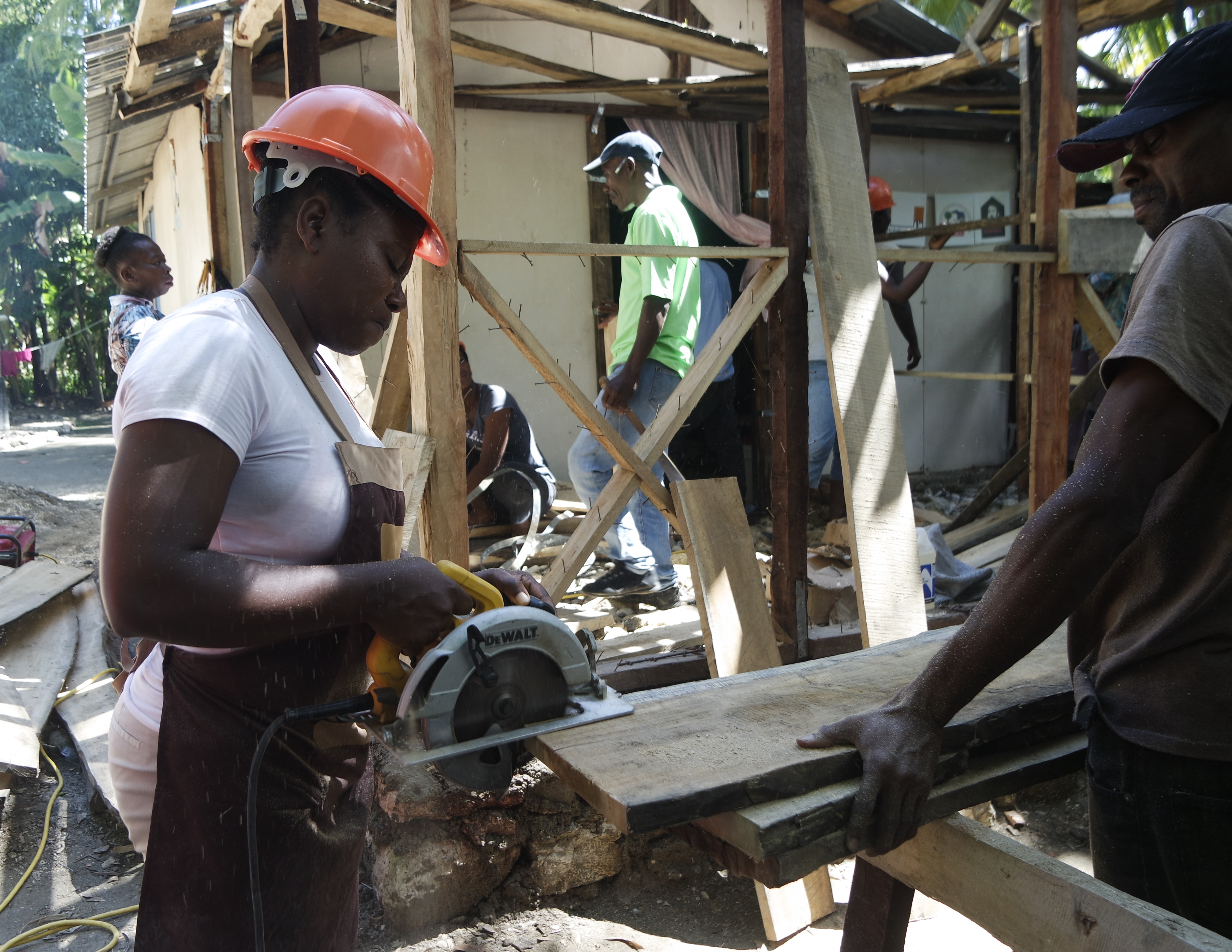
To promote women’s employment, participants receive training and tailored support to develop income-generating activities in the construction sector. The building techniques taught by Habitat-Cité and OJUCAH—using local and natural materials—are officially recognised by the Haitian government and recommended to adapt infrastructure to the country’s high exposure to natural disaster risks. Activities targeting young girls are also planned, with the goal of raising awareness of environmental and gender-related issues.