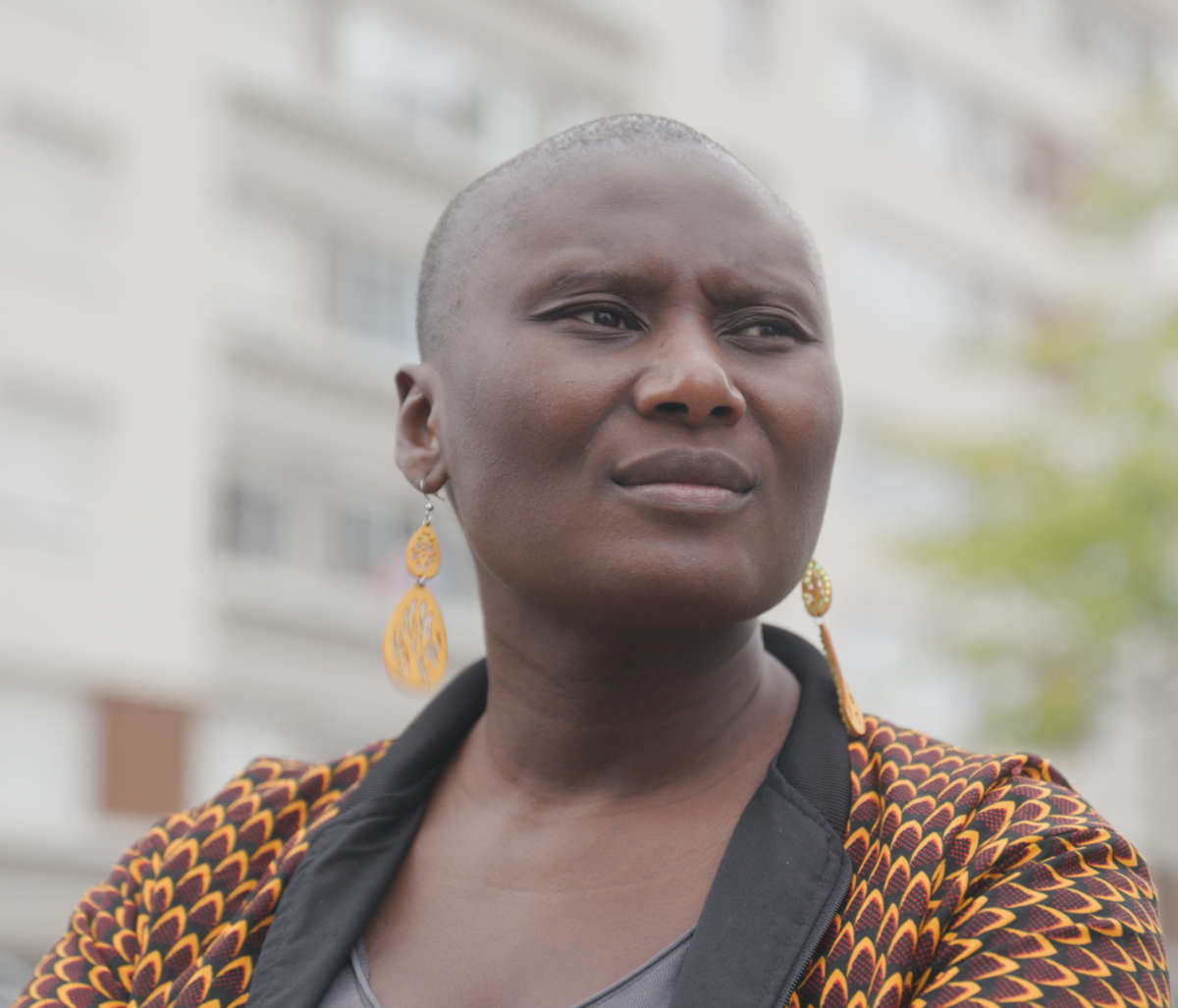

“All this for that. Twenty years of progress and gains for Afghan women have gone up in smoke overnight.” Interview with Louise Clément for Afghanistan Libre
Since 2016, the Foundation has supported the projects of the association Afghanistan Libre, which works to promote the education of Afghan women and girls. The Foundation’s team has closely followed the situation of the association since the Taliban — Islamist fundamentalists organized as a military, political, and religious group — regained control of the country on August 15, 2021, after twenty years of conflict, by seizing the capital, Kabul. The new measures implemented by the Taliban to consolidate their authority are particularly alarming for women’s rights. The Foundation spoke with Louise Clément, Director of the association, about the challenges faced by Afghanistan Libre and the situation in Afghanistan.
15 September 2021
How are you and your teams doing?
We are in shock and devastated.
All this for that. Twenty years of progress and gains for Afghan women have gone up in smoke overnight, this time with the complicity of the international community.
No words can describe the terrible moments we, and above all our Afghan staff and all the Afghan girls and women we have supported, are currently going through.
What is the situation in Afghanistan at present, particularly for women?
The current situation in Afghanistan is as catastrophic as we could have expected from the Taliban, who are above all terrorists ruling through terror. One only needs to look at the composition of their new government: entirely made up of male Taliban members, most of whom were on United Nations sanctions lists (including four who were detained in the U.S. prison at Guantanamo and one with historical ties to Al-Qaeda). And all of this is happening in the complete indifference of the international community.
Afghan women continue to fight for their rights and are the first to take to the streets to protest, risking their lives. We have been informed that female activists have reportedly been executed by the Taliban using barbaric, medieval methods. Journalists are being beaten and whipped. Terror reigns.
It is still too early to fully describe the impacts on girls’ education or women’s economic rights. In the few places where schools have reopened for girls (up to age 11) or where private universities exist, very few girls have returned out of fear. Curricula are also expected to change. At this stage, women are being instructed to remain at home “while the Taliban government educates its fighters on how to respect women.” That says it all.
The Taliban have not changed. They remain the same in their interpretation and extreme application of Sharia law. Afghan women have been buried alive.
What changes has the association had to face since the beginning of the crisis?
For security reasons, all our projects have been suspended since August 11. The director of one of the schools supported by Afghanistan Libre was kidnapped by the Taliban and accused of being “an agent of Afghanistan Libre, an anti-Islamic NGO and a spy for the French government.” He managed to escape, but Afghanistan Libre is now directly identified by the Taliban in the Paghman district.
We did everything possible for two weeks to evacuate our team (entirely composed of Afghans), who are now at risk. We alerted the Crisis and Support Centre of the French Ministry for Europe and Foreign Affairs, but we never received any response. None of Afghanistan Libre’s staff have been able to leave the country.
How does the association plan to organize itself in the coming months?
The situation is changing daily, and we are prioritizing the safety of our team. For now, we are working to provide salary advances to the women’s rights defenders employed by Afghanistan Libre and to the teachers of our schools, who can no longer work for the reasons you know. They are facing unprecedented price inflation, as the airport and roads are blocked, preventing the transport of food supplies.
Secondly, as soon as the security situation allows, we aim to assist the 500,000 displaced persons in Kabul from provinces affected by the fighting, the majority of whom are women and children left entirely without support. The Afghanistan Libre team visited a camp in the capital on August 13 and assessed urgent humanitarian needs there.
Finally, we remain determined to stay present and respond to the vital needs of Afghan girls and women as soon as conditions permit and within our means. We are exploring new forms of action, such as cash-based transfers to female heads of household who can no longer provide for their families, or e-learning programs for girls.
How can the association’s work be supported?
The only way to support us today is through donations and/or raising awareness.
Mobilize and engage your communities so that interest in the situation in Afghanistan and the fight for Afghan women’s rights does not fade into oblivion too quickly.