


Project presentation
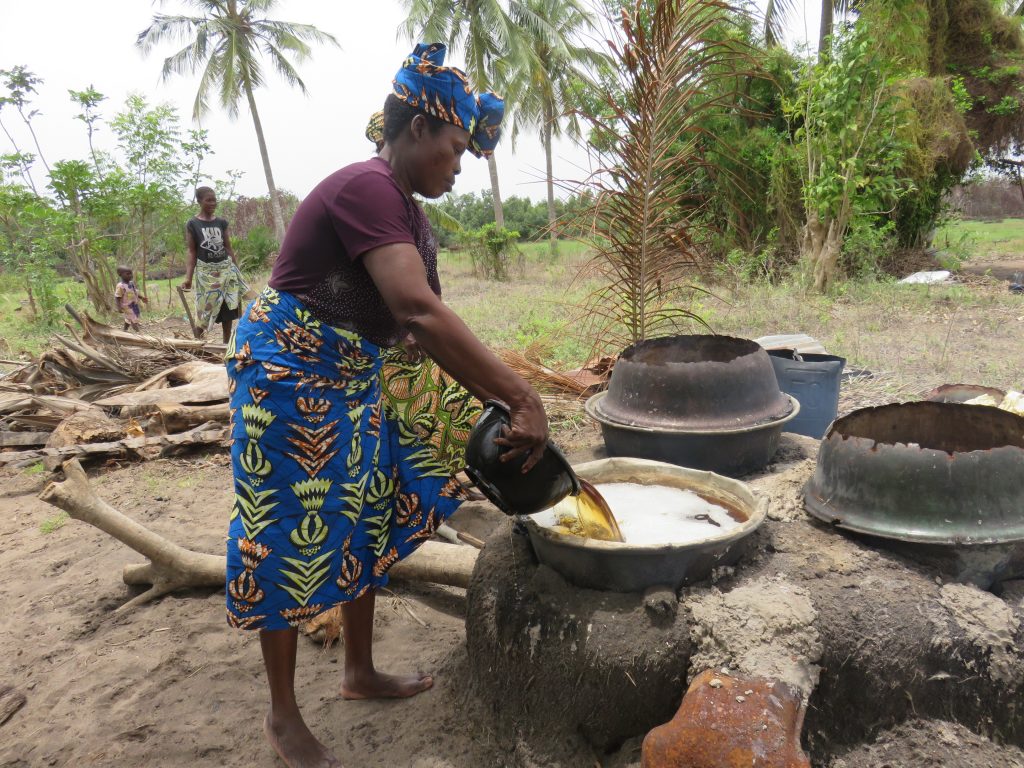
In Benin, women in the coastal villages of the Ouidah commune have practiced salt production for generations. Between January and April, the marshy soils dry out and become suitable for creating brine. Traditionally, women use mangrove wood to boil this brine until the water evaporates, leaving only the salt. This step is particularly harmful to their health due to the smoke produced and threatens the region’s biodiversity because of intensive mangrove cutting. To protect the shores, Beninese authorities have banned mangrove cutting, impacting the work of salt producers, many of whom have stopped their activity or sourced wood from other villages.
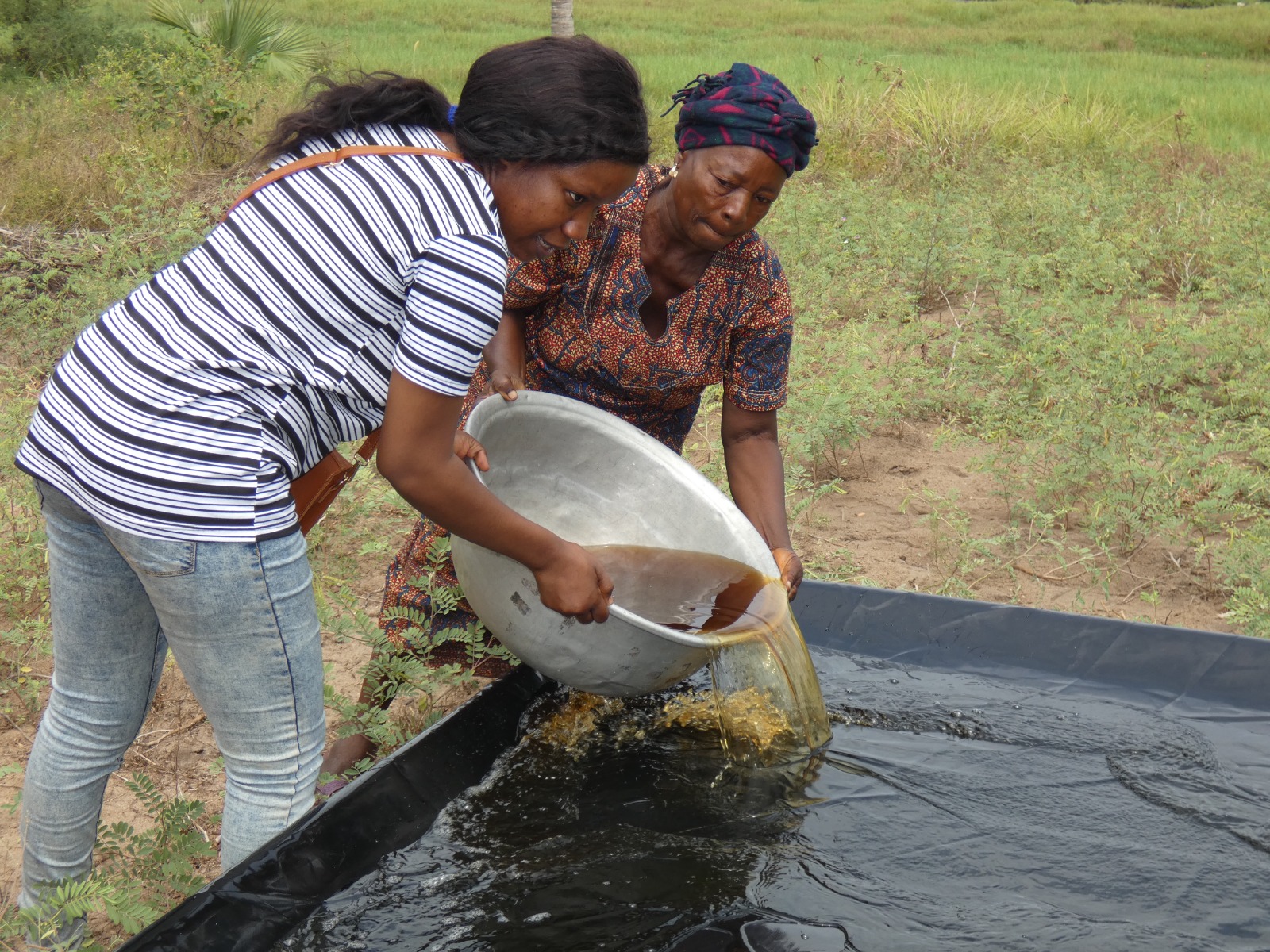
The Association Humanitaire pour l’Afrique (AHPA), particularly active in this region of Benin, sought to support these women in evolving their production practices to be more environmentally friendly, using solar sheets to evaporate the brine water. An initial experiment was conducted in 2002 but failed to convince the salt producers. In partnership with CRIPADD, a Beninese NGO, and the Association des Étangs et Marais de l’Île de Ré, an expert in salt production, AHPA relaunched the initiative with encouraging initial results among a dozen women, before expanding it to other salt producers. The technique is healthier for the women and more respectful of biodiversity.