



Project presentation
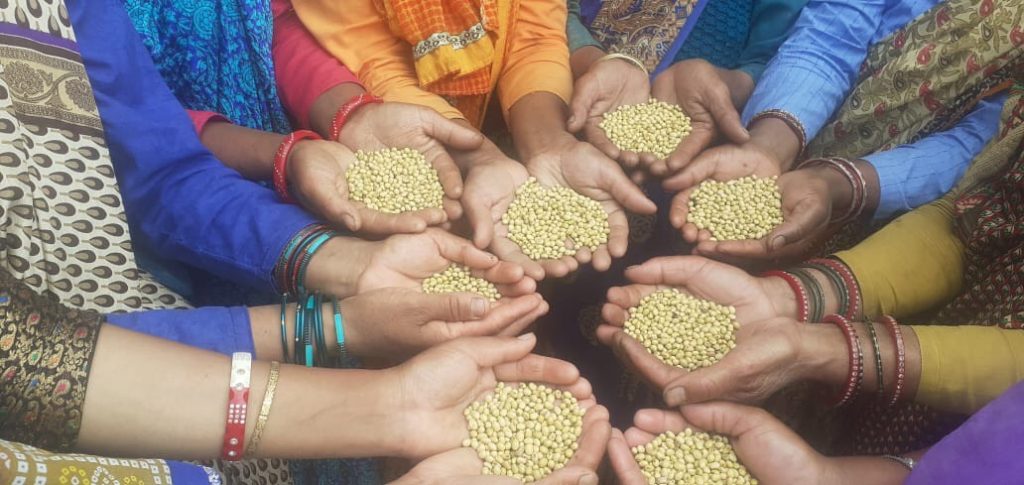
In India, nearly 70% of the population lives in rural areas and a little over 600 million Indians rely on agriculture. However, the Indian conventional agricultural model as well as the global warming are a threat to food security. The consequences of the sanitary crisis and the confinements have accentuated the difficulties of the farmers who have found themselves unable to work for many weeks. Women are particularly affected by these phenomena. They contribute on average to 60% of agricultural activities and have a risk of death linked to natural disasters 14 times higher than men. The fight against gender inequalities and the valorization of the role of women in the preservation of biodiversity is a major challenge for India.
It is in response to these challenges that SOL launched the Seeds of Resilience project in 2020, in partnership with the NGO Navdanya, following on from the Seeds of Hope and Biofarms India projects, both supported by the Foundation. The project is being deployed in three northern Indian states (Uttarakhand, West Bengal and Rajasthan), which are particularly affected by climate change. It aims at developing a model of agriculture that will enable people to be fed healthily by identifying seeds that are resilient to climate change, promoting agroecology and strengthening the autonomy of farmers.