


Project presentation
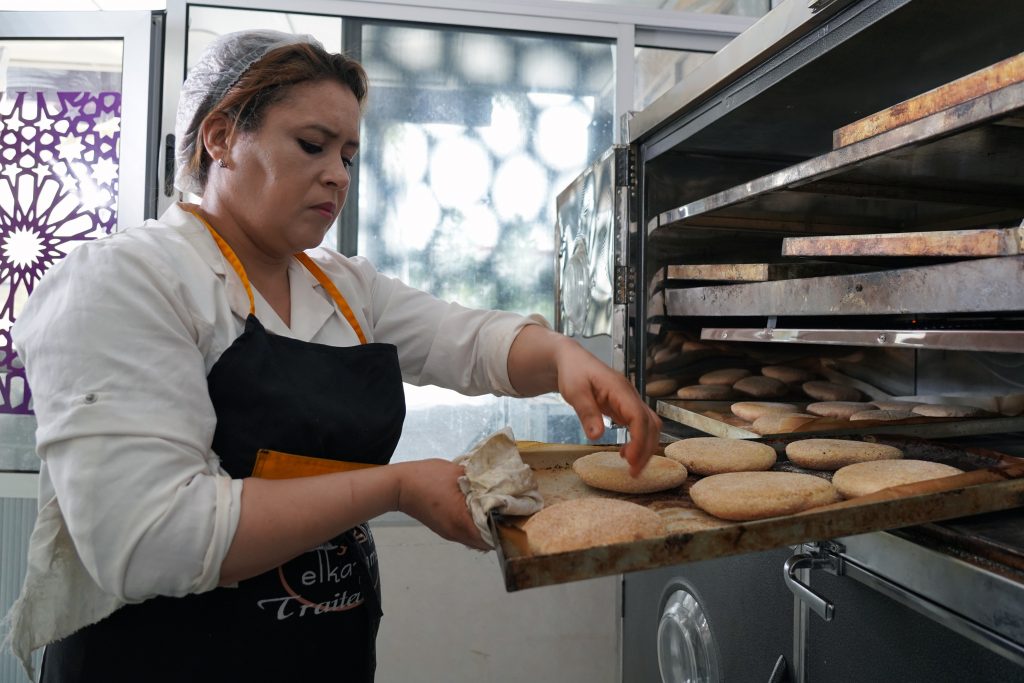
In Morocco, the most common cooking methods rely on gas or wood. These methods are highly energy-intensive, putting significant pressure on natural resources, particularly forests. They are generally manufactured without proper standards, posing health and safety risks for the 60% of the Moroccan population that uses gas or wood ovens.
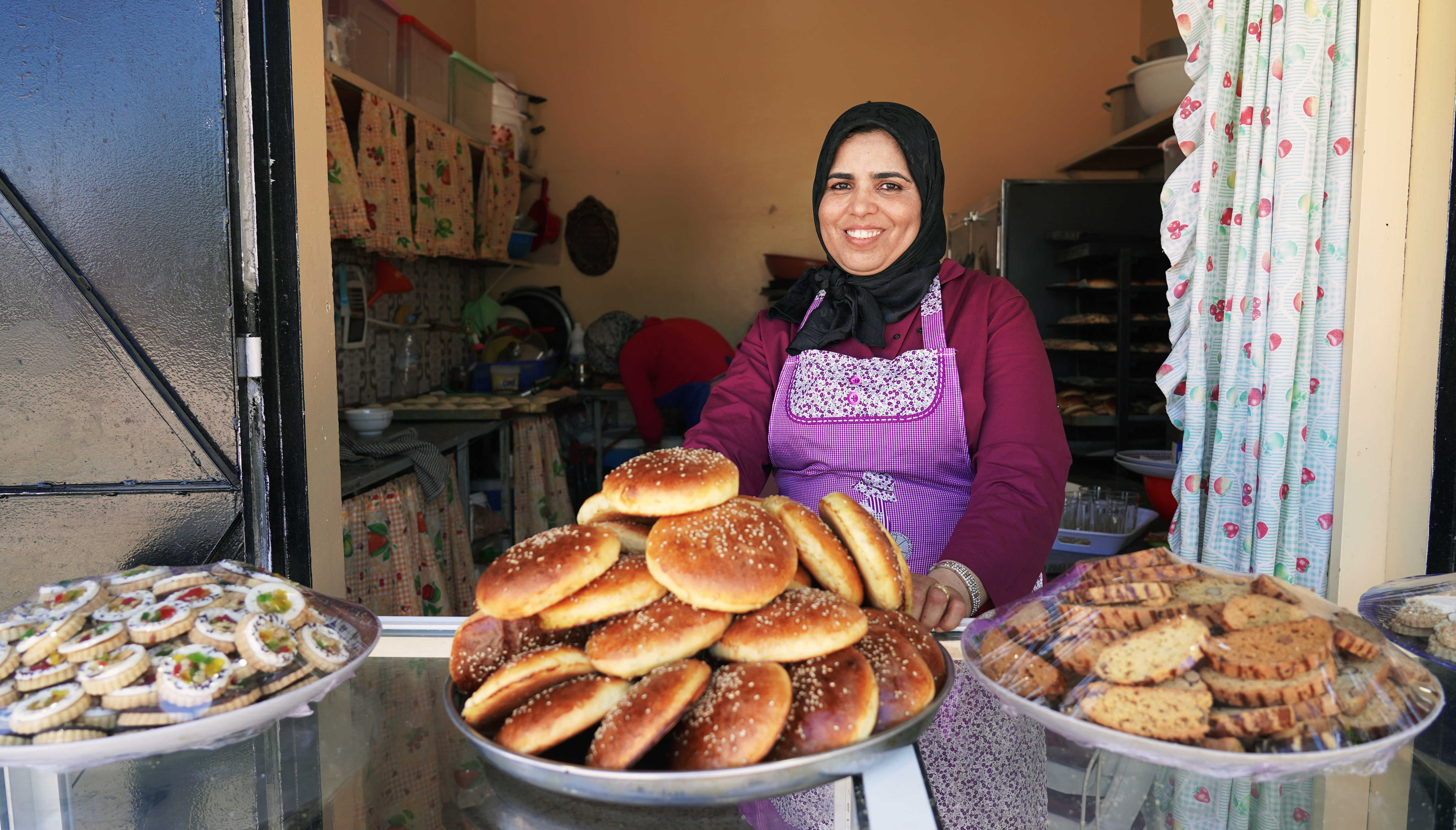
Women are the primary users due to unequal distribution of domestic tasks and their overrepresentation in the informal bakery/pastry sector. Bread is often baked at home in these ovens and sold informally on the streets or in local markets by women who are neither trained nor professionalised. Women who venture into entrepreneurship face numerous barriers, including access to financing and the unequal distribution of domestic responsibilities.
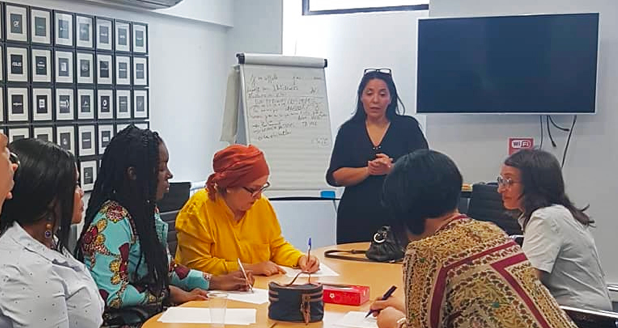
Since late 2016, GERES has been supporting the development of a local sector for high-performance energy (HPE) gas ovens, both domestic and professional, with better integration of women in the value chain. Beyond being primary users, women are trained to become distributors and ambassadors of the product. A pilot research and development phase allowed GERES to identify three companies producing these ovens and to create the FaranEco label, certifying the energy efficiency of the products and their contribution to reducing greenhouse gas emissions.